What Is Enterprise Architecture (EA)? Definition, Principles & How to Start
There is much confusion today surrounding Enterprise architecture (EA): it has become more difficult than ever to separate EA facts from beliefs, experiences from opinions, and sound practices from declarations. The field appears so irregular because academia, publications, consultants, AI, and the Internet, present EA in disparate voices advancing a multitude of approaches, meanings, and sets of expectations—some based on internet writings, some based on conjecture, and some based on opinion, and yes, some based on sound EA practice.
There are various methodologies, frameworks, and certifications. Depending on the complexity and scale of the organizations, people can select from commercial, defense industry, government "frameworks" and "methodologies." We suggest your time will be well spent comparing EA results, deliverables, frameworks, methodologies, certifications, and more.
Article Summary: This article answers frequently asked questions about Enterprise Architecture based on nature and physics, sound practices, and principles based on over 4,500 field engagements and five decades of Realistic, Enabling, Actionable, Logical. (R.E.A.L) Enterprise Architecture Results.
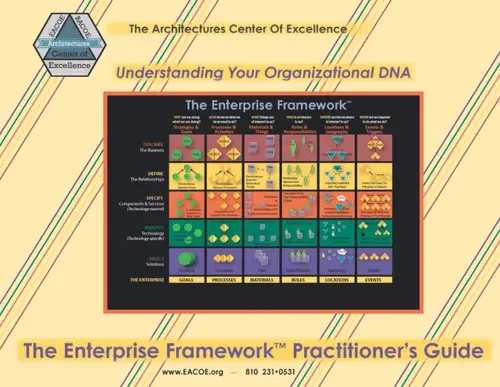
The article begins with a definition of EA, answering “what is an Enterprise Architecture” based on the EACOE™ fully integrated vendor neutral practitioner based Methodology. We then provide:
How to evaluate Enterprise Architecture management approaches
FAQ and top ten most misunderstood words in Enterprise Architecture
An overview of the benefits and results of Enterprise Architecture
An overview of the evolution and history of Enterprise Architecture
A pragmatic guide to Enterprise Architecture for practitioners and stakeholders